











New York in July: Art, Jazz, Food and Downtown Summer Energy
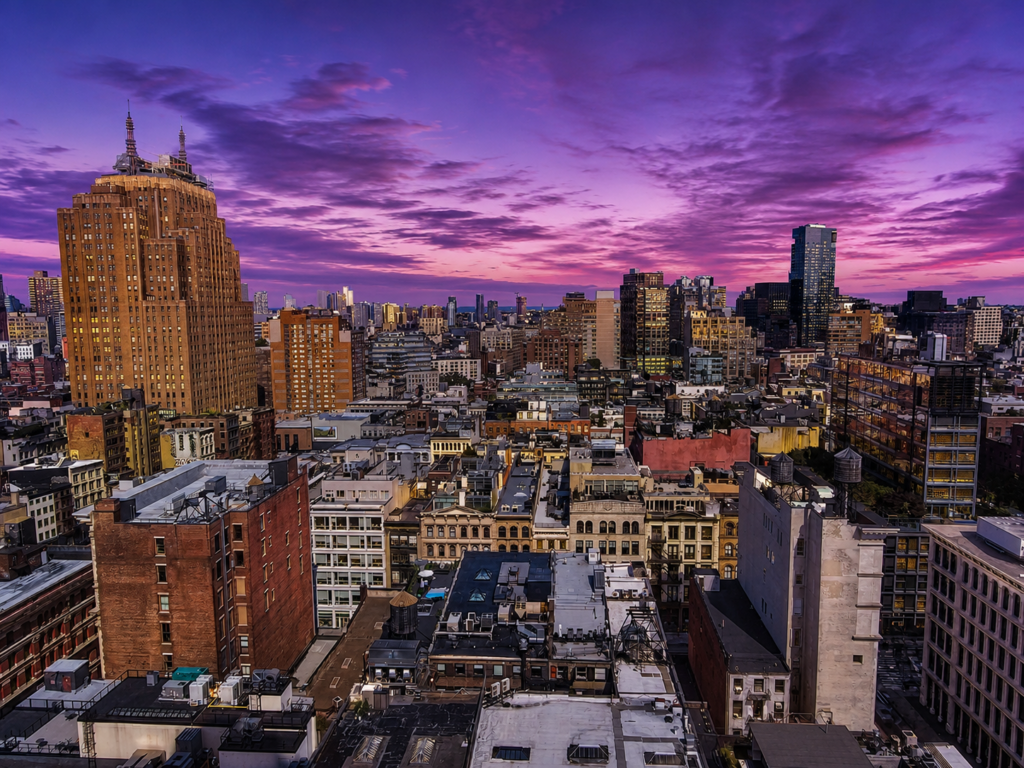
New York City in July does not believe in easing quietly into summer. The sidewalks are crowded, restaurant tables spill into the streets, music drifts from hotel lounges and rooftops glow against the Manhattan skyline long after the sun begins to set.
It is hot, lively and occasionally chaotic—but that is part of the appeal.
Summer in New York is not necessarily about relaxing. It is about moving. One minute you are browsing a designer boutique in SoHo, the next you are inside an art gallery, crossing town for dinner or settling into a dark jazz lounge while the city continues rushing outside.
With international visitors already arriving ahead of next year’s major sporting events, Manhattan felt especially energetic and cosmopolitan. Still, the real attraction was not any single event. It was New York itself.
Our July escape offered a stylish mix of art, culture, shopping, dining and downtown fun, with NoMo SoHo serving as the perfect home base.
SoHo Sets the Tone
There are few neighborhoods that capture New York’s fashionable, creative energy quite like SoHo.
Its historic cast-iron buildings create a dramatic backdrop for designer boutiques, independent labels, contemporary galleries, cafés and restaurants. The neighborhood is polished without feeling overly controlled. Luxury storefronts sit beside street vendors, emerging artists and unexpected little spaces that seem to appear overnight.
NoMo SoHo, located on Crosby Street, placed us directly in the center of it all.
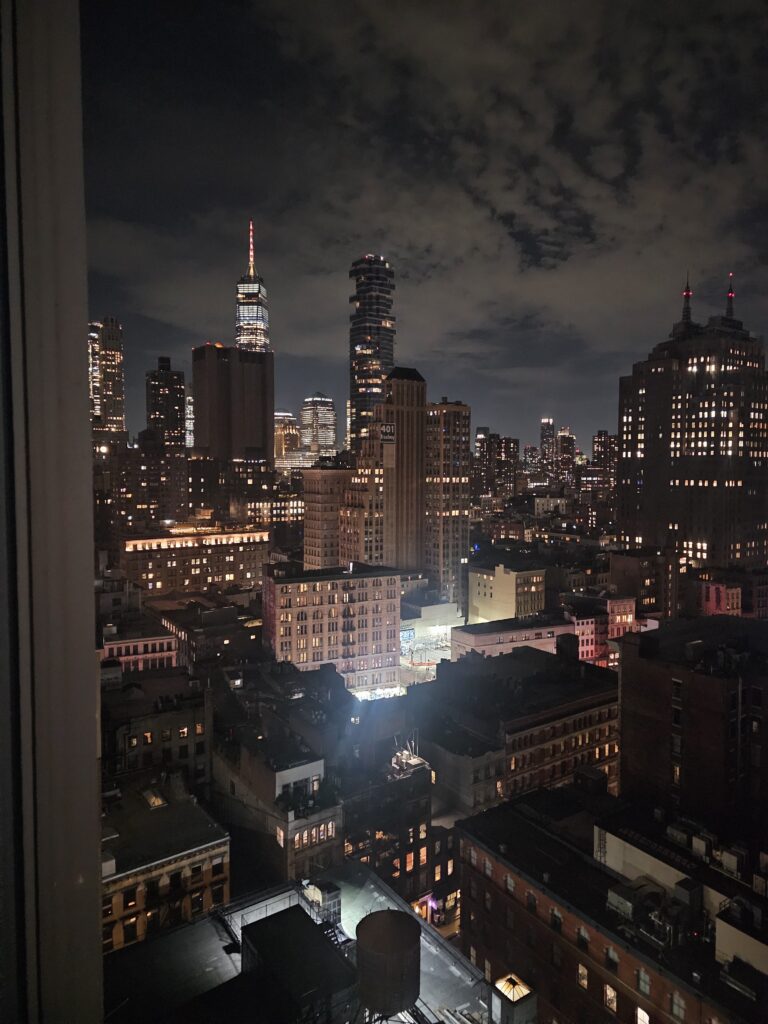
The hotel’s leafy entrance creates an almost secret-garden arrival, briefly separating guests from the noise and movement of the surrounding streets. Inside, the atmosphere is stylish and artistic, with dramatic interiors, floor-to-ceiling windows and expansive views of downtown Manhattan.
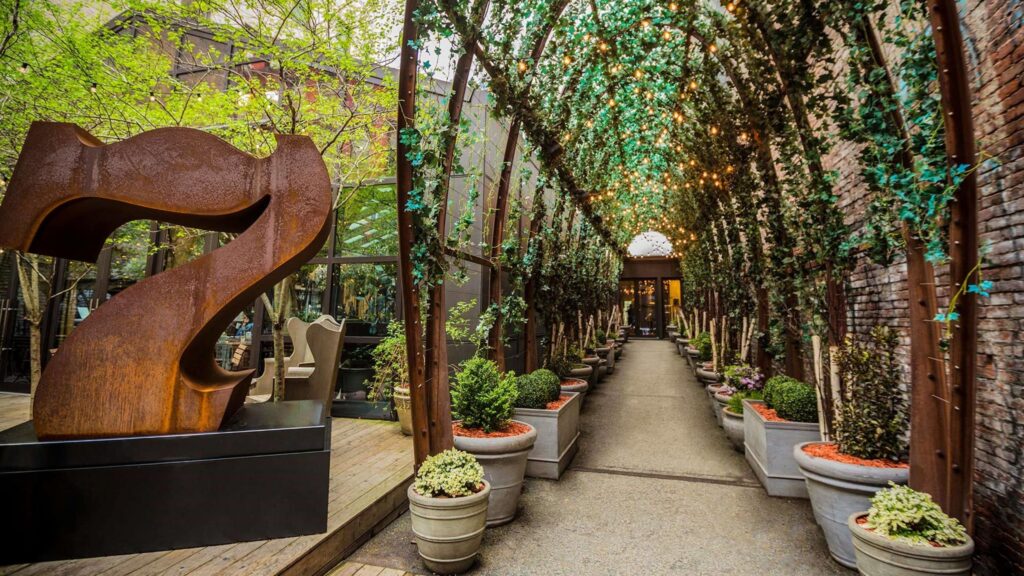
NoMo feels fashionable without trying too hard. It is not a quiet, traditional hotel experience—and that is precisely the point. It matches SoHo’s personality: creative, energetic, slightly theatrical and made for people who enjoy being in the middle of the action.
From the hotel, we could step outside and immediately begin exploring.
SoHo shopping is an experience even when you do not intend to buy anything. There are major fashion houses, beauty brands, boutiques, jewelry stores and temporary pop-ups competing for attention. Store windows are arranged like miniature art installations, and the people walking past them often appear equally styled.
The neighborhood encourages wandering without a strict itinerary. You might begin by looking for a dress, discover an intriguing gallery, stop for an iced coffee and somehow end up several blocks away studying a sculpture in a window.
That is how SoHo works. It rewards curiosity.
Art Always Without Limits
A trip to New York should always include art, and July offered plenty of it.
The SoHo Arts District remains an essential part of the downtown experience. Although the neighborhood has changed over the years and welcomed many more luxury retailers, its creative spirit has not disappeared.
Gallery spaces continue to showcase contemporary paintings, photography, sculpture and mixed-media work. Some are large and highly polished, while others are tucked into smaller spaces and feel almost undiscovered.
The fun is in moving between them.
You can walk from a high-end fashion boutique into an art gallery without changing pace. Both spaces are selling visual ideas, personal style and a certain version of New York sophistication.
Later, we headed uptown for a completely different kind of cultural experience at The Metropolitan Museum of Art.
The Met is not a museum you simply “finish.” It is vast, layered and delightfully overwhelming. Trying to see everything in one visit is nearly impossible, so the best strategy is to choose a few areas and allow yourself to be distracted along the way.
The Costume Institute is always a favorite. Fashion inside The Met becomes more than clothing. It becomes architecture, history, craftsmanship and cultural storytelling.
Each gown, ensemble and accessory reveals something about its time: what people valued, how they wanted to be seen and how designers turned fabric into fantasy.
The museum’s galleries allow visitors to travel from ancient civilizations to European masterpieces and modern design in a single afternoon. One room may feel quiet and reverent, while the next is crowded with visitors trying to photograph a famous work from the perfect angle.
Even the front steps offer a classic New York scene. Tourists regroup with cold drinks, photographers pose their subjects and stylish visitors create spontaneous editorial moments against the museum’s grand façade.
Dining at 53
After spending the day surrounded by art, dinner at 53 felt like a natural continuation.
Located beneath the expanded Museum of Modern Art, 53 is visually striking, contemporary and sophisticated. The restaurant combines modern architecture with carefully integrated artwork, making the space feel more like a stylish cultural destination than an ordinary dining room.
The menu draws inspiration from multiple Asian cuisines, offering refined, shareable dishes with layered flavors and beautiful presentation.
This is the kind of restaurant where ordering for the table becomes part of the entertainment. Everyone has an opinion, favorite plates are negotiated and dishes seem to disappear faster than expected.
The atmosphere is glamorous without becoming stiff. It works equally well for a special evening, a stylish dinner with friends or a memorable night out with family.
New York dining is often as much about the room as the food, and 53 understands that perfectly. The lighting, artwork, service and fashionable crowd all contribute to the experience.
It is not simply dinner. It is part of the evening’s design.
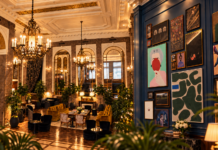
Jazz at The Roxy
A New York night needs a soundtrack.
The Roxy Hotel in Tribeca delivered exactly the right mix of downtown cool, old-school glamour and live music.
The hotel’s dramatic atrium creates an impressive setting for cocktails, conversation and jazz. The room feels lively yet intimate, drawing a mix of hotel guests, musicians, downtown regulars and visitors looking for a real New York night out.
The Roxy has character—something increasingly rare in a city filled with polished spaces that can sometimes feel interchangeable.
Here, the slightly moody lighting, vintage-inspired interiors and live performances create a sense of occasion. You can settle into a comfortable chair, order a drink and let the night unfold rather than rushing toward the next reservation.
Beneath the hotel, The Django offers an even more intimate jazz experience. With exposed brick, vaulted ceilings and candlelit tables, the room feels inspired by the classic clubs of New York and Paris.
The musicians are not simply providing background entertainment. The performances are the reason to be there.
There is something wonderfully timeless about listening to jazz underground while Manhattan races above you. Phones come out less often, conversations soften and the audience focuses on the stage.
For a few hours, the city feels both glamorous and wonderfully unhurried.
Walking the High Line
New York is best experienced on foot, although your shoes may strongly disagree by the end of the day.
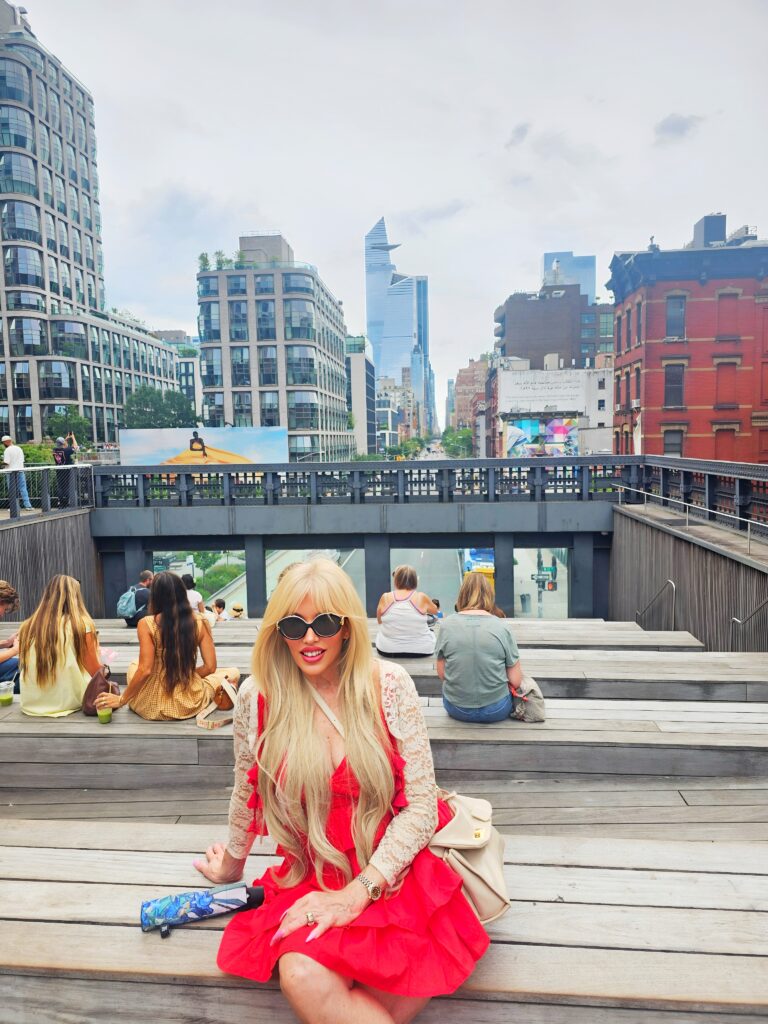
The High Line offers one of the city’s most interesting walks. Built on an elevated former rail line, the park winds above Manhattan’s West Side through gardens, public art and modern architecture.
It provides an unusual perspective of the city.
Instead of walking at street level among taxis and delivery trucks, visitors move above the traffic, looking into buildings, down onto avenues and across toward the Hudson River.
The route is a fascinating mix of nature and urban design. Carefully planted gardens soften the surrounding glass towers and brick warehouses, while benches and viewing areas encourage visitors to pause.

The High Line is also prime people-watching territory. Locals power-walk through the crowds, tourists photograph every angle and fashion-forward visitors somehow manage to look completely composed despite the July heat.
Along the way, the Meatpacking District and Chelsea offer endless excuses to step off the path for lunch, shopping or another art stop.
Little Island and Hudson River Views
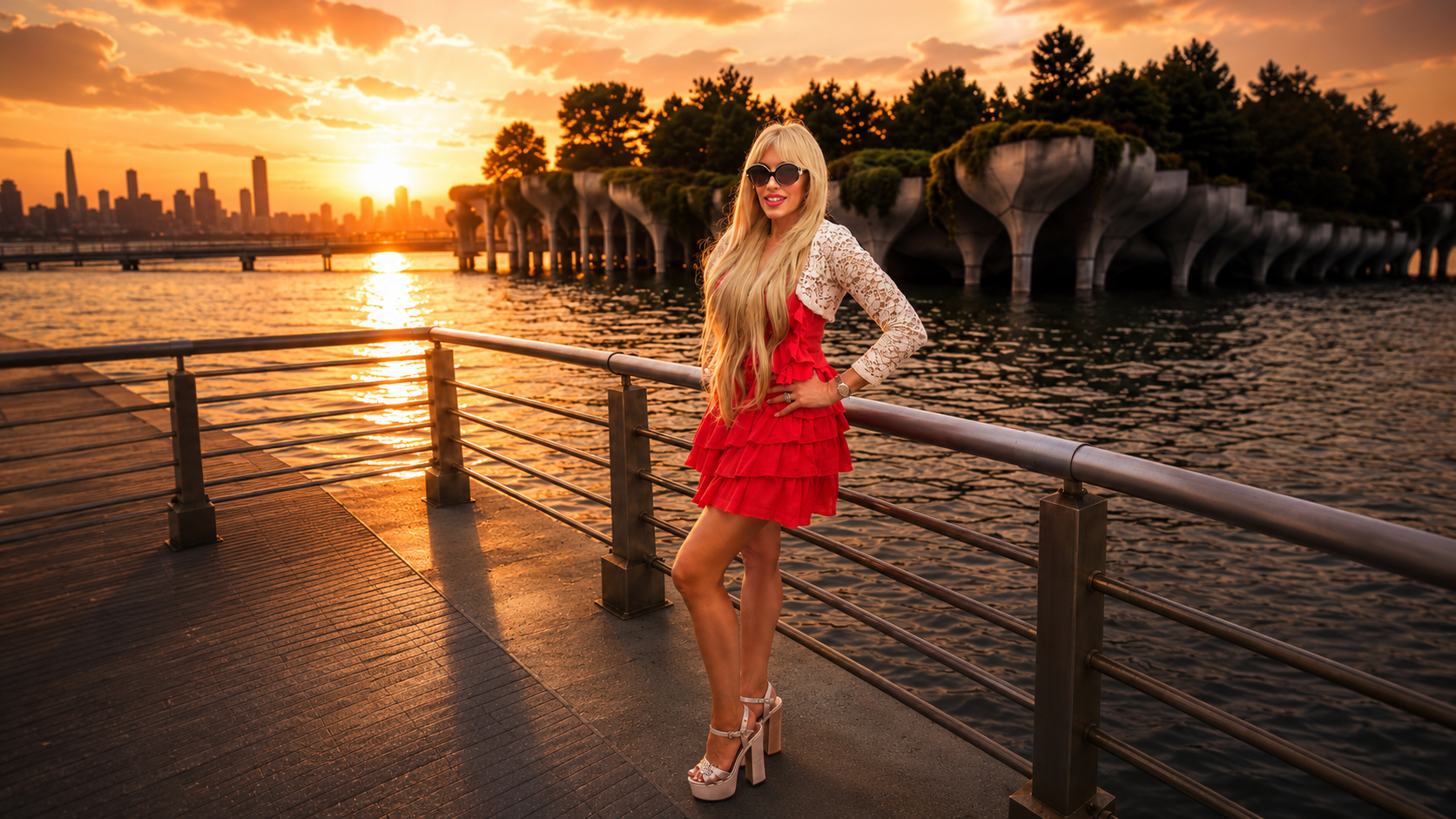
Continuing toward Little Island provided one of the most relaxing moments of the trip.
Built over the Hudson River, the public park feels sculptural, playful and unlike anything else in Manhattan. Its curving pathways rise through landscaped gardens, creating unexpected viewpoints of the river, skyline and surrounding waterfront.
Little Island is especially beautiful later in the day when the light begins to soften.
Families gather on the lawns, couples find quiet corners and visitors move toward the higher overlooks to take in the views. Boats pass on the Hudson while the city rises behind the greenery.
Although Manhattan rarely feels truly still, Little Island offers a momentary pause.
It is one of those New York places that combines ambitious design with simple pleasures: walking, sitting, listening to music and watching the sunset.

Summer in the City
July in New York can be warm, crowded and physically exhausting. There will be traffic. And there will be delayed plans. There will probably be at least one taxi or rideshare charge that makes you question every decision you made that evening.
And yet, the city remains irresistible.
New York encourages you to walk farther, stay out later and change your plans when something more interesting appears.
It offers art in museums, galleries, hotels, restaurants and storefront windows. It delivers meals that become events, jazz that turns a cocktail into an entire evening and parks that transform old railways and river piers into beautiful public spaces.
From the creative streets of SoHo and the impressive galleries of The Met to dinner at 53, live jazz at The Roxy and sunset views from Little Island, this was New York at its best.
Stylish, energetic, unpredictable and completely alive.
Summer fun in Manhattan does not come from slowing down. It comes from surrendering to the pace, following the city wherever it leads and accepting that the most memorable moments are often the ones that were never on the original itinerary.