






An American Sound, Timeless by Design
A Conversation with Dewey Bunnell of America
Some songs feel eternal—like they’ve always existed, drifting through car radios and open windows, stitched into memory. But even the most timeless music is born somewhere specific. For Dewey Bunnell, that place was a convergence of eras, continents, and instincts that helped shape one of the most enduring catalogs in American music.
Your songs feel timeless, but they were born in very specific moments. When you listen back now, what era—or emotion—still surprises you the most?
Dewey Bunnell: In many ways I’m still drawn back to the ’70s, when we were young and motivated by the times coming out of the ’60s. We were living in London when we formed and were influenced by that music scene, while still being Americans at heart and following the singer-songwriters coming out of the U.S. We were able to get new albums at the base from the States, often before they were in general release in Europe.
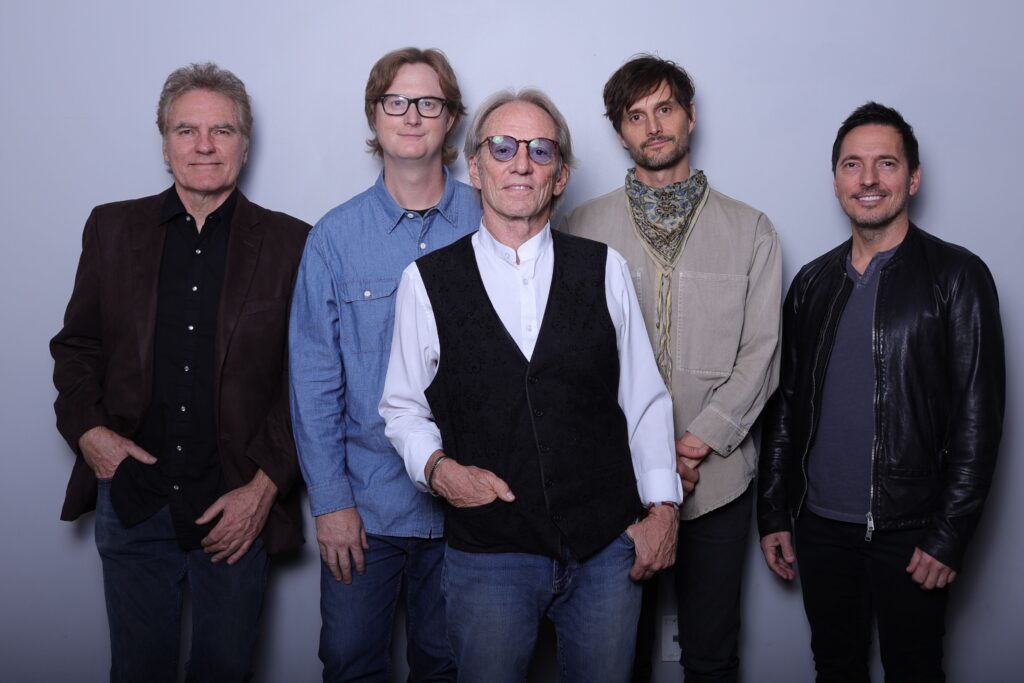
“A Horse With No Name” became iconic almost instantly. Did its success feel like a blessing, a burden, or something you had to grow into?
Bunnell: We were amazed at the immediate reaction to that first album and single. It was an exciting time—we were booked to play shows all around Europe and eventually our first club tour of the U.S. It was a fantastic start to a career we never expected to take off so quickly.
You’ve always balanced simplicity with sophistication in your songwriting. Was that intentional or instinct?
Bunnell: Everything was about instinct. We felt part of our generation and the movement of the times, so we wrote from that perspective.
Many fans say your music feels like freedom. What did freedom mean to you personally when you were writing those early songs?
Bunnell: Freedom is hard to define beyond not being physically confined, but musically and lyrically we had no boundaries. We each wrote separately at first, absorbing all genres of music at the time and feeling no restrictions. Whatever materialized on a given day seemed right. Maybe that was a certain freedom.
Your harmonies are unmistakable. How did you develop that sound—craft, chemistry, or trust?
Bunnell: Singing in harmony is a magical event. Voices are like fingerprints—no two are alike. When our three voices came together, it created its own unique sound. Gerry was very good at arranging vocal parts, and then it was just a matter of putting those voices together to create one sound. It worked with every song and became our sound. A lot of the vocals for the first album were actually worked out in my old car with one guitar—the sound was enclosed and tight in that car!
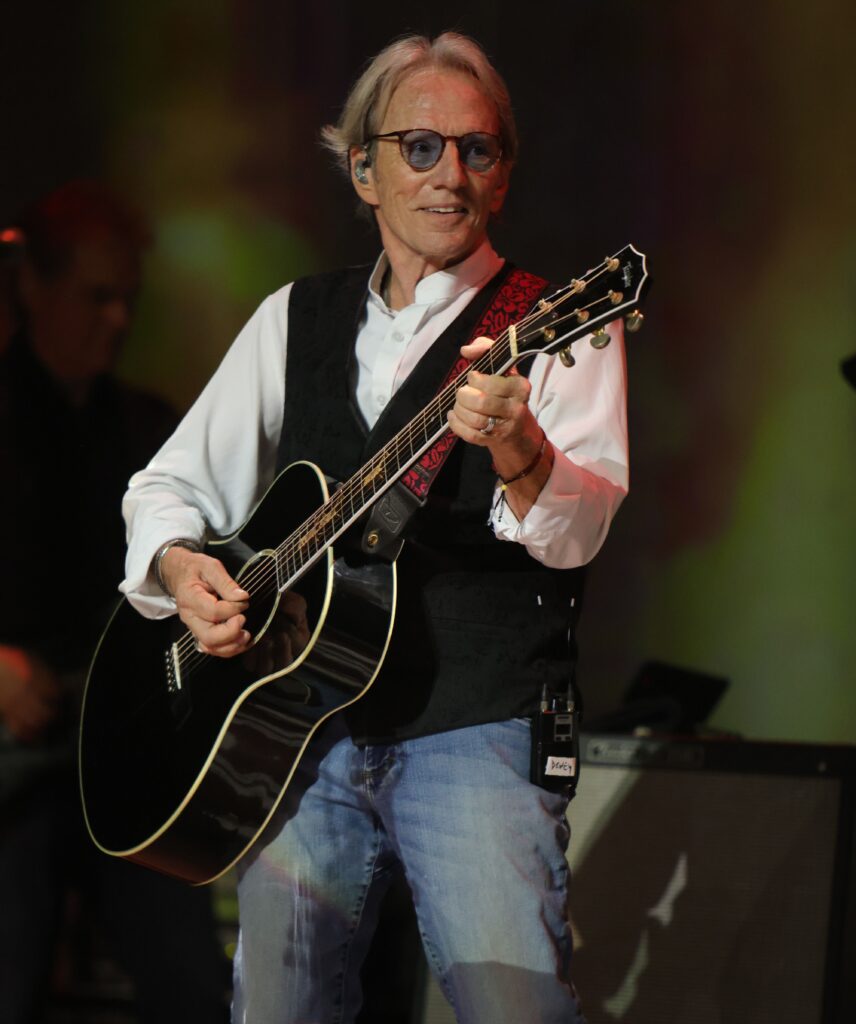
Looking back, what song in your catalog feels most misunderstood or underrated?
Bunnell: It’s hard to be objective after more than 50 years, but there are many songs I’m proud of that didn’t get much notice—Sleeper Train, Can’t Fall Asleep to a Lullaby, Nothing’s So Faraway As Yesterday, Whole Wide World, Garden of Peace, Young Moon. Each project was special in its own way. And just to clarify—A Horse With No Name was not about drugs. It’s more of a travelogue describing the sights and sounds of the desert.
You came up during a period of massive cultural change. How much did the outside world shape your songwriting?
Bunnell: My songs were primarily inspired by nature and travel. As an Air Force family, we moved around quite a bit and experienced different environments. We were never deeply political as a band, other than our opposition to the Vietnam War when we were graduating high school in 1969. Sandman was inspired by stories of young airmen coming and going to that war, and our concern about being drafted.
Touring decades later, do the songs mean the same thing to you now?
Bunnell: The songs seem mostly frozen in time for me, though occasionally a lyric suddenly feels especially appropriate on a given night, in a certain place.
If you were starting today—streaming era, social media, algorithms—what would be harder, and what might be easier?
Bunnell: Coming from the analog days of two-inch tape and editing with a razor blade, the digital age makes recording much easier. Streaming helps artists get music out quickly, but competition is fierce with so much available instantly. In our day, getting on the radio was essential—and not easy.
When fans come up to you with their stories, what surprises you most?
Bunnell: We often hear that our music helped someone through a personal crisis or enhanced a meaningful event. It’s always special to hear about songs being part of weddings, birthdays, or played at a hospital bedside. That never stops being moving.
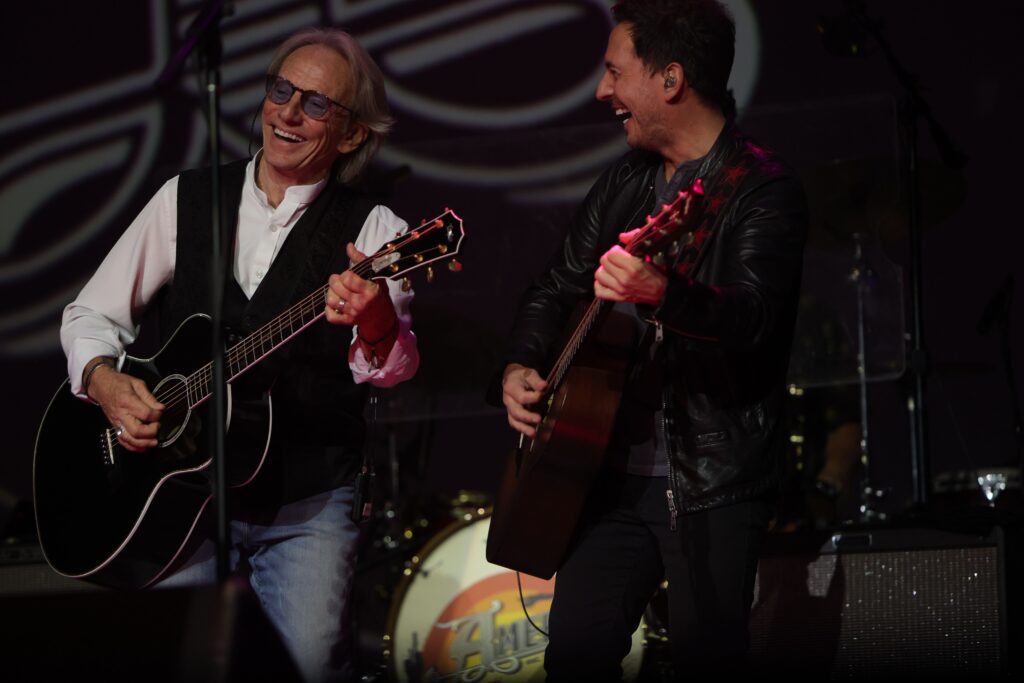
The Enduring Bond of America
Longtime collaborator Gerry Beckley may no longer tour, but his presence remains deeply woven into America’s DNA. His melodic instincts and gift for vocal arrangement were essential to the band’s unmistakable harmonies. Even off the road, Beckley’s influence lives on in songs that continue to feel open, honest, and quietly profound—music built on trust, chemistry, and a shared sense of freedom.
The Musicians Carrying the Sound Forward
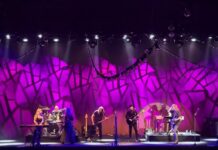
While America continues to tour with Dewey Bunnell at the helm, the band is joined onstage by a tight-knit group of musicians who honor the original spirit while bringing their own depth and precision to the live experience.
Andy Barr adds rich texture on guitar and keyboards, while also contributing harmonica and vocals—an expansive role that supports America’s layered arrangements with ease.
Steve Fekete anchors the melodic core on guitar and keyboards, lending vocal support that helps preserve the band’s signature harmonic balance.
On drums, Ryland Steen provides both rhythmic drive and vocals, bringing a dynamic energy that keeps the music feeling alive, present, and powerful.
Integral to America’s live sound is bassist Rich Campbell, whose presence on stage provides both grounding and momentum. With a playing style that is at once precise and understated, Campbell anchors the band’s signature melodies while allowing their harmonies to breathe.
Together, the touring lineup ensures that America’s songs—built on harmony, melody, and emotional clarity—continue to resonate just as strongly today as they did when they first crossed the airwaves.
A Special Night in Sarasota
America brings its iconic harmonies to Van Wezel Performing Arts Hall on May 1, for what promises to be a particularly memorable evening. Set along Sarasota Bay, the Van Wezel’s intimate grandeur is the perfect setting for songs that have traveled decades and continents yet still feel deeply personal.
For longtime fans and first-time listeners alike, this performance is more than a concert—it’s a moment. A chance to hear music that defined an era, shaped countless lives, and still carries the rare ability to make a large room feel quietly connected. On May 1, these songs return not as nostalgia, but as living companions—still wandering, still free.
Tickets here: https://www.vanwezel.org/
Dewey Bunnell wrote some of America’s most iconic songs, including A Horse with No Name, Ventura Highway, and Tin Man, which helped define the band’s signature sound.
Dewey Bunnell Interview Highlights – America Band 2026
- America co-founder Dewey Bunnell reflects on the band’s enduring sound and songwriting legacy
- Writer of iconic hits including “A Horse With No Name,” “Ventura Highway,” and “Tin Man”
- Discusses the influence of the 1970s Laurel Canyon era and how those songs continue to resonate today
- Shares insight on touring in 2026 and connecting with both longtime fans and new audiences
- Van Wezel Performing Arts Hall performance scheduled for May 2026